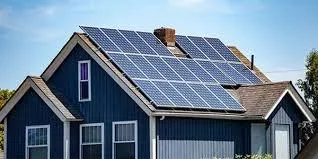
Join the Solar Future with Rite Price Solar
Australia is embracing a solar-powered future, and there’s no better time for Adelaide homeowners to join the revolution. Rite Price Solar offers cutting-edge solar systems that empower homes with renewable energy, reducing electricity bills and carbon footprints while enhancing energy independence. With advanced solar panels, Sungrow inverters, and battery storage solutions, Rite Price Solar provides everything you need to step into a sustainable future.

Why Solar Power Is the Future
Solar power is reshaping how Australians consume energy, offering a sustainable and cost-effective alternative to traditional electricity. With the right system, you can generate clean, renewable energy for your home while reducing reliance on the grid.
1. Abundant Solar Potential in Adelaide
Adelaide’s sunny climate makes it the perfect location for solar energy. With over 2,500 hours of sunlight annually, homeowners can generate significant electricity to power their homes and store excess energy for later use.
Fun Fact:
A 6.6kW solar system in Adelaide can generate approximately 25kWh per day, enough to power most households.
2. Rising Electricity Costs
South Australia has some of the highest electricity prices in the country, making solar energy an attractive option for cost-conscious homeowners.
Quick Stat:
Adelaide homeowners can save up to $2,500 annually by switching to solar power with battery storage.
3. Government Incentives
The Australian government provides generous rebates and incentives to encourage the adoption of solar energy. Programs like the South Australian Home Battery Scheme help reduce upfront costs, making solar systems more accessible.
Why Choose Rite Price Solar?
Rite Price Solar is a trusted provider of high-quality solar solutions, offering tailored systems designed to meet the specific needs of Adelaide homeowners. Here’s what sets them apart:
1. High-Quality Solar Panels
Rite Price Solar offers premium solar panels that maximize energy production, even in low-light conditions. These panels are built to withstand Australia’s harsh weather, ensuring long-term performance and reliability.
2. Sungrow Inverters
A solar system is only as good as its inverter, and Rite Price Solar uses Sungrow inverters for unmatched efficiency and durability.
Key Features of Sungrow Inverters:
High Conversion Rates: Maximize energy production with minimal loss.
Smart Monitoring: Track your energy usage and system performance via a mobile app.
Durability: Designed to perform reliably under Australia’s harsh climate conditions.
3. Battery Storage Solutions
Solar battery storage allows you to store excess energy generated during the day for use at night or during peak electricity pricing periods. With a battery system, you’ll enjoy energy independence and greater savings.
Real-Life Scenario:
During a blackout in January 2023, Adelaide homeowners with battery systems from Rite Price Solar continued to power essential appliances while others faced outages.
4. Custom Solutions for Adelaide Homes
Rite Price Solar designs systems tailored to Adelaide’s unique climate and household energy needs. Whether you’re looking to save on bills, reduce emissions, or prepare for blackouts, their solutions deliver results.
How Solar Power Works
Solar Panels Capture Sunlight: Photovoltaic (PV) cells convert sunlight into direct current (DC) electricity.
Sungrow Inverter Converts Energy: The inverter transforms DC electricity into alternating current (AC), which powers your home.
Battery Stores Excess Energy: Surplus electricity is stored in a battery for later use.
Grid Backup: Additional energy can be drawn from the grid when necessary.
Financial Benefits
Reduced Electricity Bills
By generating your own electricity, you can significantly lower your energy bills. With battery storage, you can avoid using expensive grid power during peak periods.
Example:
A 10kWh battery system paired with a 6.6kW solar panel setup can save Adelaide homeowners up to $1,800 annually.
Government Rebates
Rite Price Solar systems qualify for several government incentives, including:
Small-Scale Technology Certificates (STCs): Reduce the upfront cost of solar panels.
South Australian Home Battery Scheme: Offers rebates of up to $6,000 for battery storage systems.
Pro Tip:
Pair solar panels, Sungrow inverters, and battery storage to maximize your rebate eligibility and long-term savings.
Long-Term Savings
While solar systems require an upfront investment, the long-term savings are substantial. Most homeowners achieve a full return on investment (ROI) within 5–7 years, with decades of free energy to follow.
Case Study:
The Thompson family installed a 6.6kW solar system with a 10kWh battery in 2021. They reduced their energy bills by 65% and achieved a full ROI within six years.
Environmental Benefits
Solar energy is a clean, renewable resource that helps combat climate change by reducing reliance on fossil fuels. By switching to solar, homeowners can lower their carbon footprint and contribute to a greener future.
Fun Fact:
An average solar system can offset over 6,000 kg of CO₂ emissions annually, equivalent to planting 100 trees per year.
Addressing Common Myths About Solar Energy
Myth 1: Solar Systems Are Expensive
Fact: Government rebates and financing options have made solar systems more affordable than ever.
Myth 2: Solar Panels Only Work on Sunny Days
Fact: Solar panels generate electricity even on cloudy days, and battery storage ensures energy availability at all times.
Myth 3: Solar Systems Require High Maintenance
Fact: Modern solar systems are low-maintenance, requiring only periodic checks to ensure optimal performance.
FAQs
Q1: How much does a solar system cost?
Solar systems typically range from $6,000 to $15,000, depending on size and components. Government rebates can significantly reduce upfront costs.
Q2: How long do solar systems last?
Solar panels have a lifespan of 25+ years, while batteries and inverters last 10–15 years with proper maintenance.
Q3: Can solar systems power my entire home?
Yes, with the right battery size and solar panel setup, your home can run entirely on solar energy.
